
Sports Therapist vs Sports Physiotherapist: What’s the Difference?
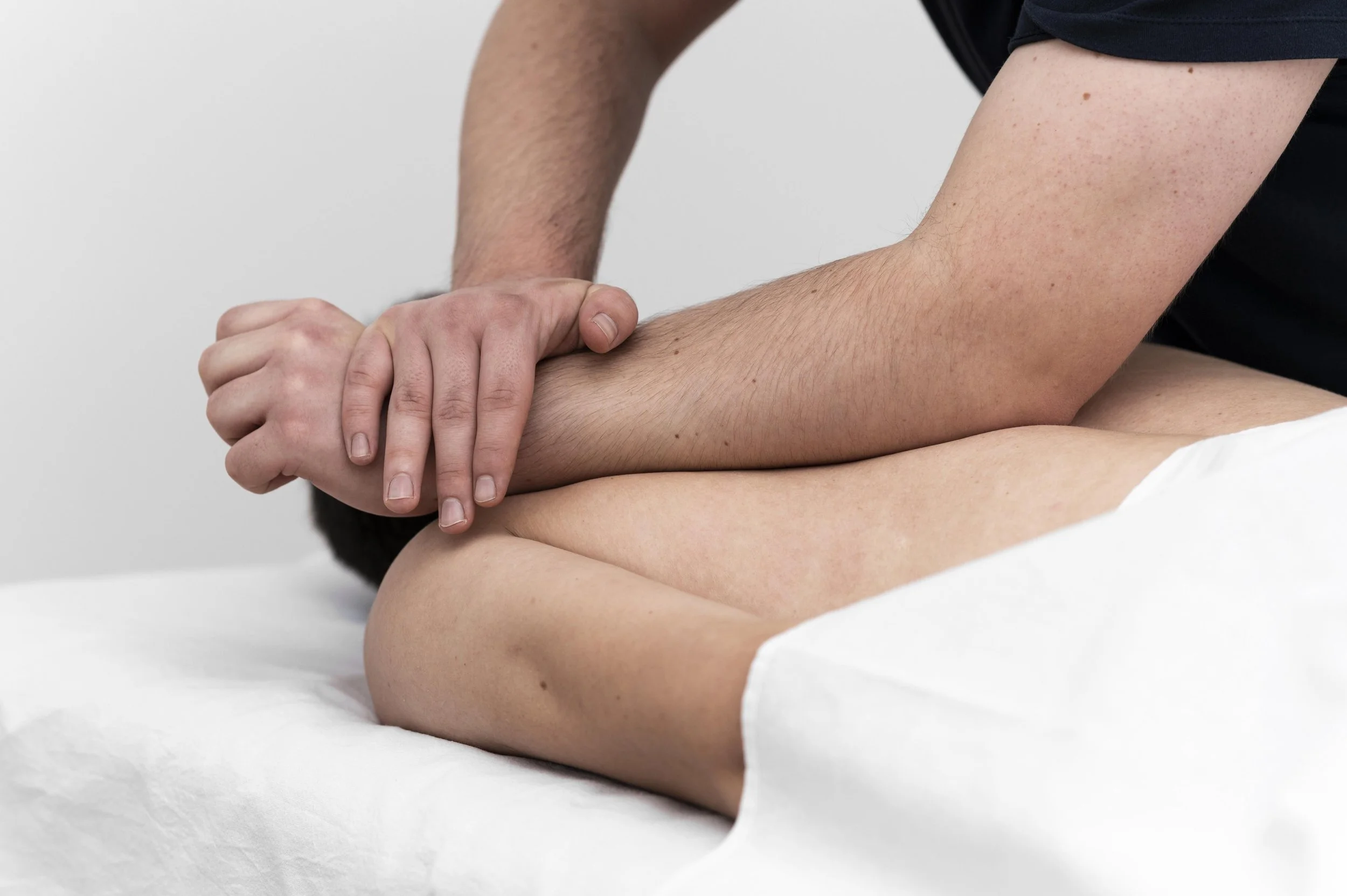
When it comes to recovering from injuries or enhancing athletic performance, a common question many people ask is: Should I see a sports therapist or a sports physiotherapist?
Both play important roles in sports health and rehabilitation, but their training, qualifications, and areas of expertise are quite different, especially here in Singapore.
At Integrative Physio Clinic, we see athletes and active individuals every day who want to get back to their best. Whether you’re recovering from an injury or looking to improve your performance, understanding these differences will help you choose the right professional for your needs.
What is a Sports Physiotherapist?
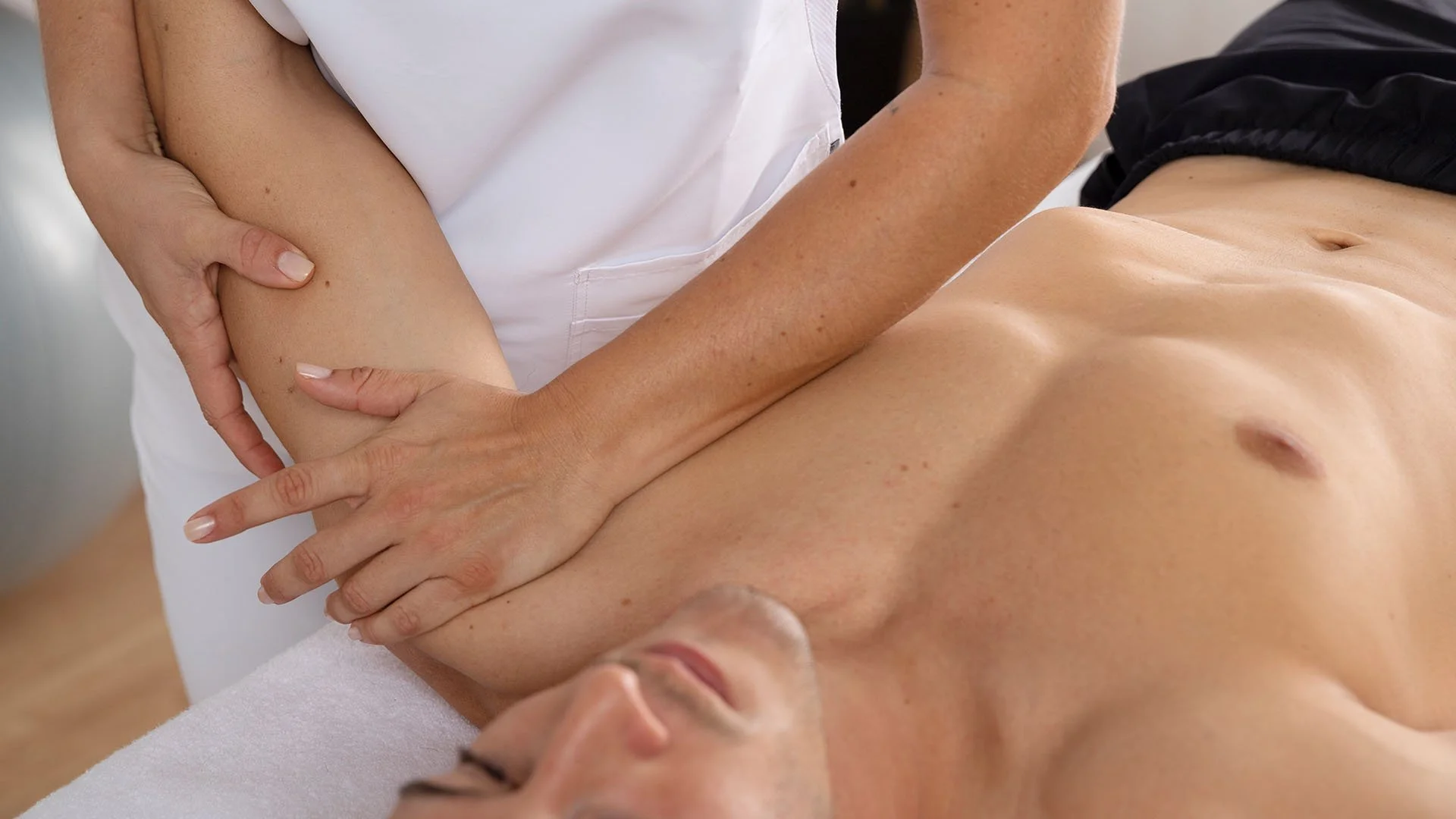
A sports physiotherapist is a licensed healthcare professional trained to assess, diagnose, and treat a wide range of movement-related injuries and conditions. In Singapore, physiotherapists are regulated by the Allied Health Professions Council (AHPC), which ensures they meet strict educational and clinical standards.
To practice, physiotherapists must complete a four-year bachelor’s degree in physiotherapy and register with the AHPC. Many go on to pursue advanced training or postgraduate qualifications in areas like sports rehabilitation or manual therapy. Their education covers anatomy, biomechanics, pathology, and rehabilitation science, combined with extensive hands-on clinical placements.
Sports physiotherapists have a broad scope of practice. They help patients recover after surgery, manage chronic pain, and treat complex injuries involving muscles, joints, and nerves. They also guide athletes through tailored exercise programs, teach proper movement patterns, and use evidence-based techniques like manual therapy, electrotherapy, and corrective exercises. Most importantly, they are qualified to diagnose injuries and medical conditions which is something sports therapists cannot do.
What is a Sports Therapist?
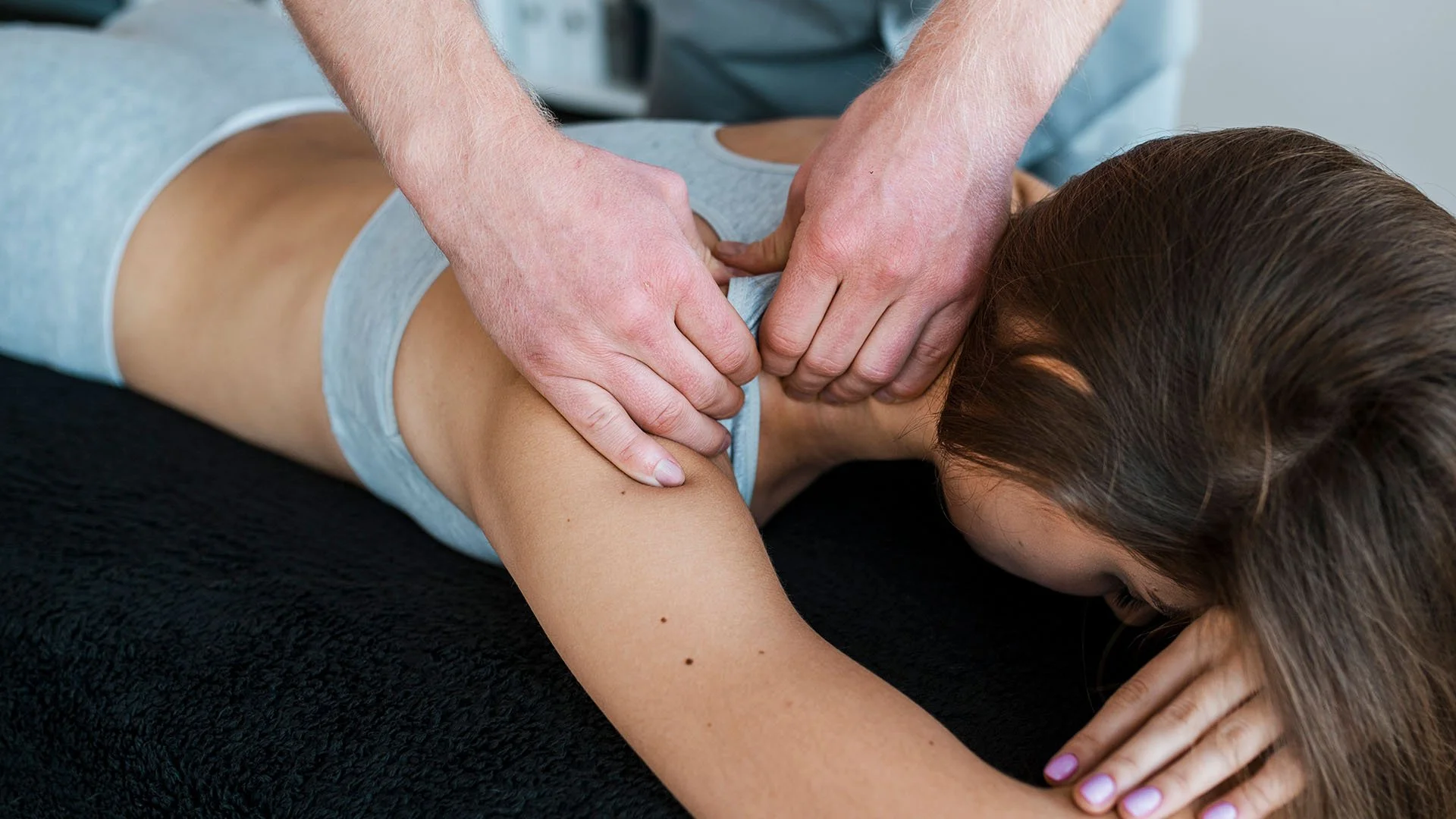
A sports therapist, on the other hand, focuses mainly on soft tissue care, muscle recovery, and general injury prevention. In Singapore, this title is not regulated, meaning anyone can call themselves a sports therapist regardless of formal qualifications. Training varies widely: some may hold degrees in sports therapy or sports science, while others complete short courses in massage, stretching, or fitness recovery.
Sports therapists typically work with active individuals and athletes who want to stay in top condition. Their work includes helping with muscle tightness, improving flexibility, and supporting early-stage rehabilitation for minor injuries. However, they do not diagnose medical conditions or manage complex injuries. Their expertise lies in maintenance and performance support, rather than clinical treatment.
Key Differences Between Sports Therapists and Sports Physiotherapists
| Category | Sports Physiotherapist | Sports Therapist |
|---|---|---|
| Regulation | Regulated by AHPC (Allied Health Professions Council) | Not regulated in Singapore |
| Education |
Bachelor’s or Master’s degree in Physiotherapy (4–7 years)
May also hold:
Clinical training includes hospital rotations, sports settings, and supervised internships. |
Certificate, diploma, or short course (lasting days to months)
Training focuses primarily on soft tissue techniques, basic injury management, and exercise therapy. No standardised advanced clinical education required. |
| Scope of Practice | Can assess, diagnose, and treat a wide range of medical and musculoskeletal conditions | Focuses on soft tissue recovery, stretching, and exercise support |
| Can Diagnose Injury? | Yes | No |
| Can Treat Post-Surgery or Chronic Pain? | Yes | No |
| Typical Setting | Hospitals, physiotherapy clinics, sports medicine centres | Gyms, spas, sports clubs, or recovery studios |
| Primary Goal | Restore function, reduce pain, and rehabilitate injuries | Relieve muscle soreness and enhance athletic recovery |
When Should You See a Sports Physiotherapist or Sports Therapist?

If you’ve had surgery, are managing chronic pain, or need a proper diagnosis for an injury, a sports physiotherapist is the right choice. They can design a complete rehabilitation plan and guide you safely through every stage of recovery.
If your muscles feel sore after a workout or you simply want to maintain flexibility and reduce tightness, a sports therapist can help with massage and stretching. Their work can complement physiotherapy, but they should not replace it when medical expertise is needed.
How to Become a Sports Physiotherapist
Becoming a sports physiotherapist in Singapore requires a degree in physiotherapy, followed by obtaining licensure from the Allied Health Professions Council. But remember, you need a general interest in healthcare, as the path involves hospital training in many different medical fields, including respiratory care and geriatrics, to name a few. After completing the degree, physiotherapists are required to pass licensing exams and undergo continuous professional development. Many sports physiotherapists also pursue additional certifications in sports rehabilitation to specialize in this area of care.
For those interested in specializing in sports physiotherapy, gaining hands-on experience working with athletes and undergoing additional training or certification in sports rehabilitation techniques can enhance career prospects.
Famous Physiotherapists Who Shaped the Field
Several physiotherapists have significantly shaped the field of rehabilitation, making lasting contributions to sports medicine. Notable figures like Mary McMillan, known as the "Mother of Physical Therapy," and Robin McKenzie, who developed the McKenzie Method for treating musculoskeletal pain, are among the pioneers who helped elevate physiotherapy to what it is today.
Berta Bobath also made significant contributions with her development of the Bobath Concept, a neurodevelopmental treatment approach that is widely used in treating patients with neurological conditions. These leaders have not only influenced the profession but continue to inspire physiotherapists around the world, including those in Singapore, to innovate and refine their practice.
At Integrative Physio Clinic in Singapore, we work with a range of clients, from athletes to individuals recovering from complex injuries, and we understand how crucial it is to find the right professional to guide your recovery and performance journey. Both sports therapists and sports physiotherapists play important roles, but the choice between them depends on the severity of the injury and the complexity of your condition.
If you’re dealing with a recent injury or want to improve your athletic performance, a sports therapist may be your best option. However, if you have chronic pain, are recovering from surgery, or need rehabilitation for more complex conditions, a sports physiotherapist can offer a more comprehensive treatment plan. Whether you're dealing with an injury or simply looking to optimize your physical health, both professionals are here to help you get back to doing what you love.
At Integrative Physio Clinic, we’re dedicated to providing personalized care for each patient’s unique needs, and we’re happy to assist in guiding you to the best treatment plan. Book an appointment with us today to learn more about how we can support your recovery.
Studies
A framework exploring the therapeutic alliance between elite athletes and physiotherapists: a qualitative study
https://pmc.ncbi.nlm.nih.gov/articles/PMC8502302/
Performance Physical Therapy is Sports Physical Therapy: Why our profession needs to progress.