
Shockwave Therapy in Singapore: How It Helps Relieve Pain and Speed Up Recovery
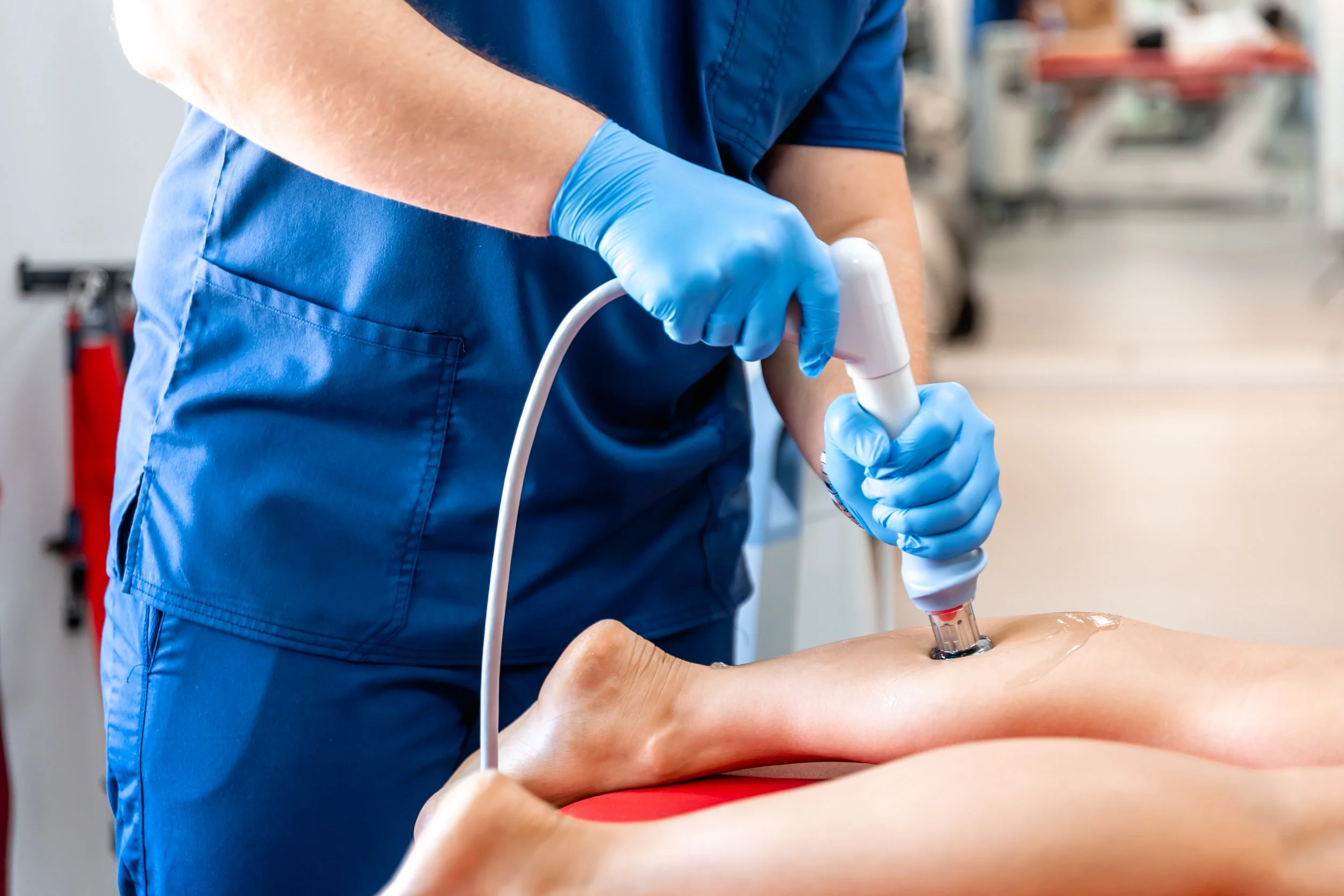
If you have been struggling with stubborn tendon pain or long-term muscle tightness, shockwave therapy may be the solution you have been looking for. Many physiotherapy clinics in Singapore now offer it because it is non-surgical, evidence-based and suitable for busy lifestyles. This guide explains what shockwave therapy is, how it works and why more people in Singapore are choosing it for pain relief and faster recovery.
What Is Shockwave Therapy?
Shockwave therapy is also known as extracorporeal shockwave therapy. It is often written as ESWT. It uses high-energy acoustic waves that are applied on the surface of the skin. These waves travel into the tissue to stimulate healing. They help reduce inflammation, improve blood flow and encourage tissue repair. The treatment is external and does not involve needles or surgery.
There are two main types of shockwave therapy. Focused ESWT reaches deeper structures beyond 5cm. Radial shockwave covers a wider surface area for conditions closer to the skin (<5cm). Physiotherapists will decide which type is suitable based on the area being treated.
Why Is Shockwave Therapy Popular in Singapore?
Shockwave therapy has grown in popularity because it offers a non surgical way to treat chronic tendon problems. Patients in Singapore often prefer treatments that allow them to return to work and daily activities quickly. ESWT fits that need well.
Research has played a big role in this rise. A well-known review found success rates between 65 and 91 percent for different musculoskeletal conditions treated with ESWT. Another study focusing on lower limb tendinopathy also showed meaningful improvements in pain and function. A 2018 review concluded that shockwave therapy is effective and safe across many tendinopathies. Newer research from 2023 highlighted moderate to strong evidence for common conditions such as plantar fasciitis and shoulder tendinopathy.
People in Singapore lead active lives. Many also spend long hours at desks. Both situations increase the risk of overuse injuries. Shockwave therapy offers a reliable and convenient solution for these issues.
Conditions Treated With Shockwave Therapy
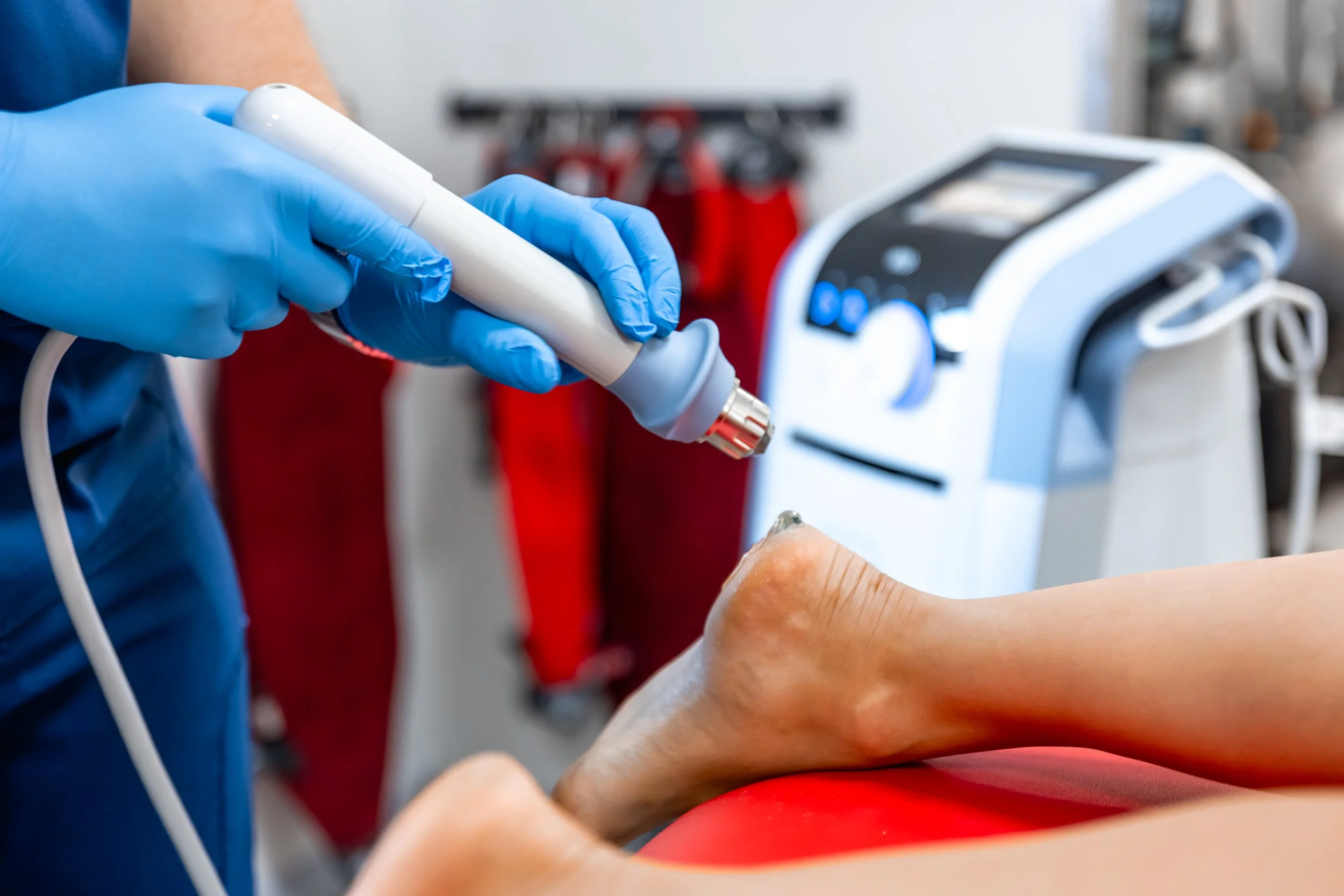
Shockwave therapy is helpful for a wide range of injuries. It is most effective for chronic tendon problems that have not improved with rest or activity modification and exercise.
Plantar fasciitis is one of the most common conditions treated with shockwave therapy in Singapore. It causes heel pain and stiffness, especially in the morning. Research shows consistent improvements when ESWT is used.
Shoulder tendinopathy and calcific tendinitis also respond well. Calcific tendinitis occurs when calcium deposits form inside the tendon. Shockwave therapy helps break down these deposits and encourages healing.
Achilles tendinopathy and patellar tendinopathy are common among runners, footballers and people who stand for long hours. ESWT supports collagen repair in these tendons so they become stronger and less painful.
Other conditions treated with shockwave therapy include tennis elbow, chronic hip pain, gluteal tendinopathy and long-standing muscle trigger points. Results vary from person to person, but the treatment has shown clear benefits for many chronic injuries.
How Shockwave Therapy Works
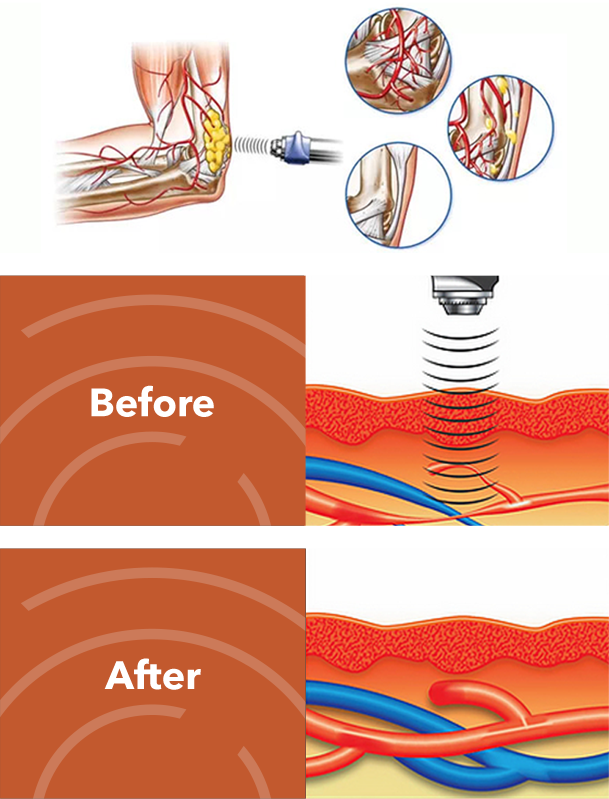
Although the technology may sound advanced, the way shockwave therapy works is simple. When the waves enter the tissue, they create small mechanical forces. These forces activate the body’s repair processes. Blood flow to the area increases. This brings oxygen and nutrients that support healing.
Shockwave therapy also stimulates cells called fibroblasts. These cells are responsible for producing collagen. Collagen is the main building block of healthy tendons. When a tendon has been injured for a long time, the collagen becomes weak and irregular. ESWT helps the tendon rebuild stronger fibres.
Another important effect is pain reduction. Shockwave therapy affects the nerves in the injured area. This helps reduce the intensity of pain signals. Once pain decreases, patients can move more comfortably. Better movement allows physiotherapists to progress exercises more effectively.
What To Expect During a Session
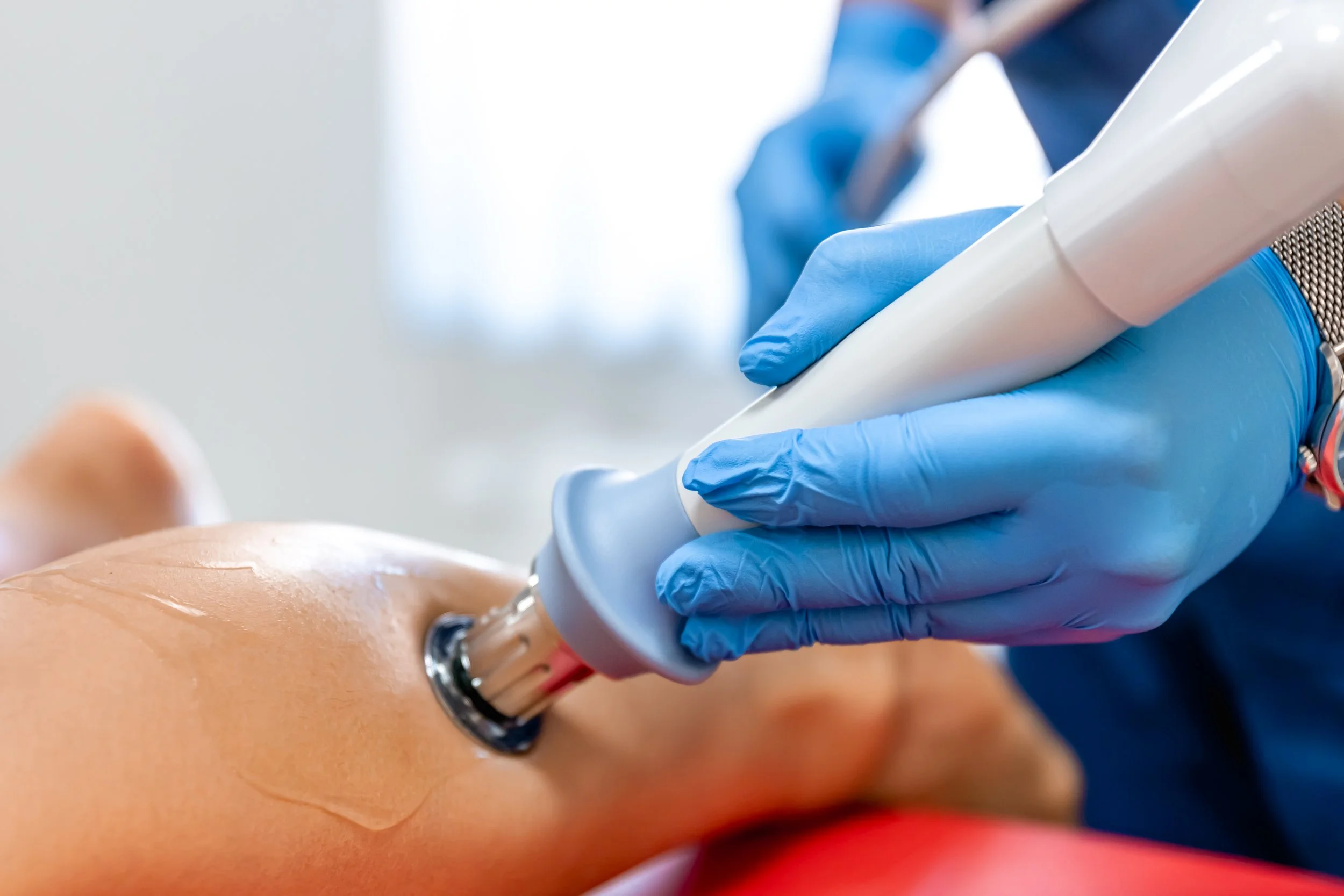
A typical session of shockwave therapy in Singapore is quick. After a first assessment, most shockwave sessions can be completed in a 15minute appointment. Your physiotherapist will start with an assessment to identify the cause of your pain and ensure you are appropriate for the intervention then educate you on other management strategies to optimise outcome. This step ensures that shockwave therapy is suitable and provides the best outcome.
A gel is applied to the skin to help the waves travel smoothly. You may feel a tapping or pulsing sensation. Some areas are more sensitive than others. Most patients find the sensation tolerable.
After the session, you may feel mild soreness. This is similar to how you might feel after a workout. The soreness usually settles within a day. Most treatment plans involve two to four sessions. These sessions are spaced one or two weeks apart. Your physiotherapist will adjust the plan based on your progress.
Who Benefits the Most?
Shockwave therapy is suitable for people who have been dealing with pain for several months. It is ideal for tendon problems that come from repetitive movement or overload. Office workers with shoulder or elbow pain, athletes with lower limb tendinopathy and people with chronic foot pain often benefit the most.
Shockwave therapy is not suitable for everyone. It is usually avoided during pregnancy. It is also not recommended for areas with infection, tumours or severe nerve disorders. Your physiotherapist will check for these factors before beginning treatment.
Why Choose Shockwave Therapy in a Physiotherapy Clinic?
When you receive shockwave therapy in a physiotherapy clinic in Singapore, you get a complete approach to care. ESWT works best when combined with proper assessment, manual therapy, targeted exercises and load management. Physiotherapists guide patients through each stage of recovery. This leads to better long-term results compared to using a machine alone.
Clinics that are experienced in shockwave therapy also understand how to adjust the intensity, frequency and number of pulses based on your condition. This helps ensure a safer and more effective treatment.
Shockwave therapy is now one of the most trusted non-surgical treatments for chronic tendon and musculoskeletal pain in Singapore. Its strong research background, short treatment time and ability to activate natural healing make it valuable for many people. When delivered by an experienced physiotherapist and combined with a proper rehabilitation plan, it can significantly improve pain, mobility and overall quality of life.
Studies
Wang CJ. Extracorporeal shockwave therapy in musculoskeletal disorders. J Orthop Surg Res. 2012 Mar 20;7:11. doi: 10.1186/1749-799X-7-11. PMID: 22433113; PMCID: PMC3342893.
Mani-Babu S, Morrissey D, Waugh C, Screen H, Barton C. The effectiveness of extracorporeal shock wave therapy in lower limb tendinopathy: a systematic review. Am J Sports Med. 2015 Mar;43(3):752-61. doi: 10.1177/0363546514531911. Epub 2014 May 9. PMID: 24817008.
Dedes V, Stergioulas A, Kipreos G, Dede AM, Mitseas A, Panoutsopoulos GI. Effectiveness and Safety of Shockwave Therapy in Tendinopathies. Mater Sociomed. 2018 Jun;30(2):131-146. doi: 10.5455/msm.2018.30.141-146. PMID: 30061805; PMCID: PMC6029898.
De la Corte-Rodríguez, H., Román-Belmonte, J. M., Rodríguez-Damiani, B. A., Vázquez-Sasot, A., & Rodríguez-Merchán, E. C. (2023). Extracorporeal Shock Wave Therapy for the Treatment of Musculoskeletal Pain: A Narrative Review. Healthcare, 11(21), 2830. https://doi.org/10.3390/healthcare11212830
Tenforde, A. S., Borgstrom, H. E., DeLuca, S., McCormack, M., Singh, M., Hoo, J. S., & Yun, P. H. (2022). Best practices for extracorporeal shockwave therapy in musculoskeletal medicine: Clinical application and training consideration. PM&R, 14(5), 611-619. https://doi.org/10.1002/pmrj.12790